Ground Source Heat Pumps: The Complete UK Guide (2026)
Higher efficiency, higher cost — is a ground source heat pump right for your property?
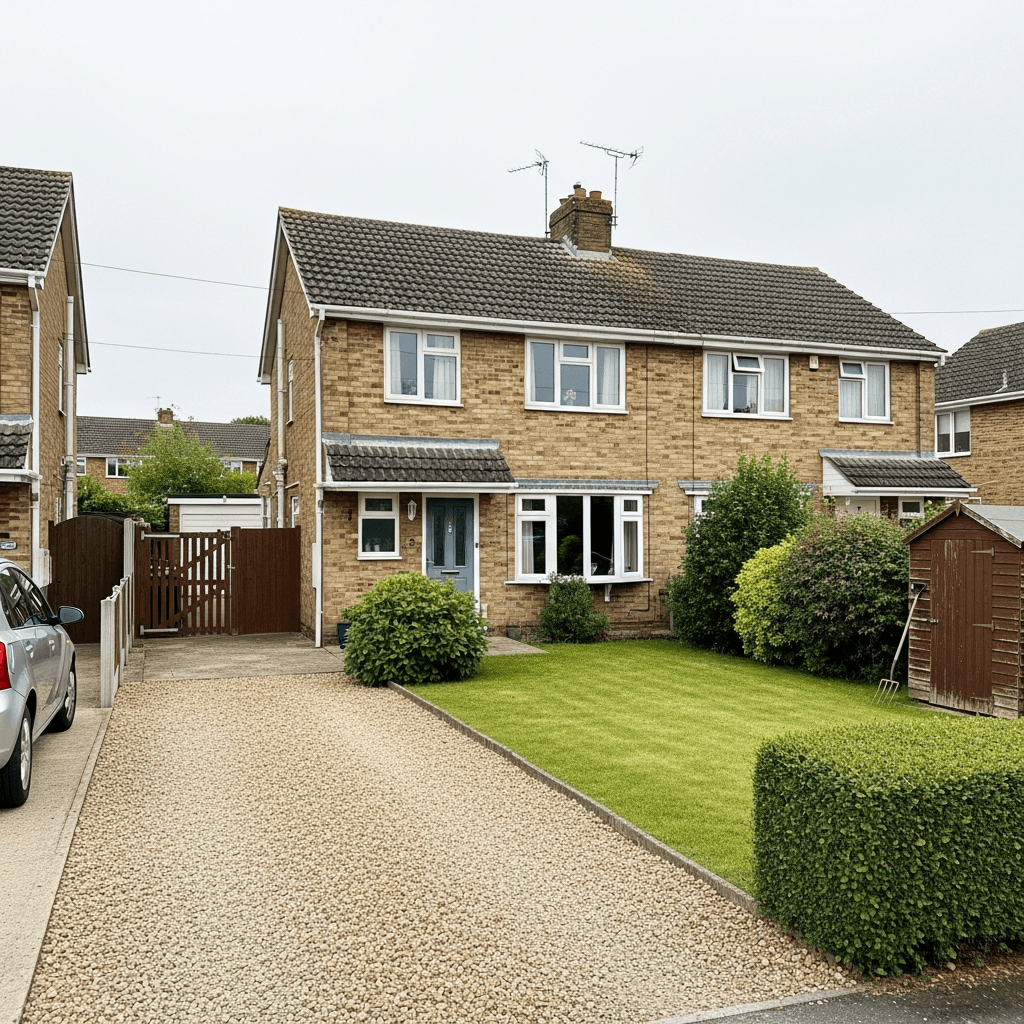
A ground source heat pump (GSHP) extracts heat from the ground via buried pipes, delivering it to your radiators, underfloor heating, and hot water. GSHPs are more efficient than air source models because the ground maintains a stable temperature (10–13°C) year-round. They cost £15,000–£35,000 installed, or £7,500–£27,500 after the £7,500 BUS grant. They suit larger properties with available garden space.
£15,000–£35,000
Installed cost (before grant)
Source: MCS / EST 2026
3.5–4.5
Typical COP (efficiency)
Source: MCS data
30+ years
System lifespan
Source: Energy Saving Trust
50+ years
Ground loop lifespan
Source: GSHPA
How Does a Ground Source Heat Pump Work?
A ground source heat pump works on the same principle as an air source model, but instead of extracting heat from the air, it extracts it from the ground. Buried pipes (called a ground loop) circulate a mixture of water and antifreeze, absorbing heat from the earth and carrying it to the heat pump inside your home.
The key advantage is that ground temperature in the UK stays between 10°C and 13°C throughout the year. While air temperature can drop below freezing in winter, the ground stays warm enough to provide consistent, efficient heating. This means a GSHP performs at its best exactly when you need it most — in the coldest months.
The heat pump itself works in the same four stages as an air source unit — evaporation, compression, condensation, and expansion. The difference is simply the heat source: ground instead of air.
Key Terms Explained
Horizontal vs Vertical Loop Systems
Horizontal Loops
Horizontal ground loops are laid in trenches approximately 1.2–2 metres deep. The pipes are arranged in coils or straight runs across a large area of your garden. As a rough guide, you need a ground area roughly two to three times the floor area of your home.
- Cost: £15,000–£22,000 installed (before grant)
- Ground area needed: 200–600m² depending on home size
- Groundwork cost: £3,000–£7,000
- Disruption: Significant garden disruption during installation (1–2 weeks), but the garden can be fully restored
- Best for: Rural properties with large gardens
Vertical Boreholes
Vertical boreholes are drilled 60–200 metres deep using specialist drilling equipment. Pipes are inserted into the boreholes and connected to the heat pump. Multiple boreholes may be needed, spaced 5–10 metres apart.
- Cost: £20,000–£35,000 installed (before grant)
- Ground area needed: Minimal — just access for the drilling rig and space for the boreholes themselves
- Drilling cost: £5,000–£12,000 depending on depth and ground conditions
- Disruption: Less garden disruption than horizontal (smaller footprint), but drilling creates noise and vibration for a few days
- Best for: Properties with limited garden space or where garden disruption must be minimised
Which Should You Choose?
If you have a large garden and don't mind temporary disruption, horizontal loops are cheaper. If garden space is limited or you want minimal surface disruption, vertical boreholes are the way to go. Your installer will survey your property and recommend the best option based on your site conditions, ground type, and budget.
Ready to take the next step?
Get free, no-obligation quotes from MCS-certified heat pump installers in your area. Takes 2 minutes.
Get free quotes from MCS-certified installersNo obligation. We are not installers. Independent advice.
Ground Source Heat Pump Costs in Detail
The higher cost of a GSHP compared to an ASHP is mainly due to the groundwork. Here's a typical cost breakdown:
- Heat pump unit: £5,000–£10,000
- Ground loop (horizontal): £3,000–£7,000
- Ground loop (vertical boreholes): £5,000–£12,000
- Indoor installation: £3,000–£6,000 (pipework, cylinder, controls, electrical)
- Commissioning and MCS certification: £500–£1,000
After the £7,500 BUS grant, the net cost ranges from £7,500 for a smaller horizontal system to £27,500 for a large borehole installation. Scotland's Home Energy Scotland scheme offers up to £7,500 in grants plus an optional interest-free loan.
Despite the higher installation cost, GSHPs have lower running costs than ASHPs. For a large detached home, a ground source system might save £100–£200 per year in running costs compared to air source, thanks to the higher COP. Over the 30+ year lifespan, this can offset the higher upfront investment.
How we calculated this
Cost figures from MCS installation data Q4 2025–Q1 2026, cross-referenced with Ground Source Heat Pump Association (GSHPA) published guidance and installer survey data. Groundwork costs vary significantly with soil type, rock hardness, and site access.
Efficiency and Performance
GSHPs are the most efficient type of heat pump available. Typical COP values are 3.5–4.5, meaning you get 3.5–4.5 kWh of heat for every 1 kWh of electricity. The seasonal average (SCOP) is typically 3.2–4.0.
The key advantage is consistency. While an air source heat pump's COP drops in cold weather (as outdoor air temperature falls), a ground source heat pump maintains near-peak efficiency throughout winter. The ground at 1–2 metres depth stays at 10–13°C all year, providing a stable heat source regardless of the weather above.
This consistency is particularly valuable for larger homes in colder parts of the UK. In northern Scotland, where winter air temperatures regularly drop below freezing, a GSHP can be 15–25% more efficient than an equivalent ASHP over the heating season.
Land and Space Requirements
The main practical barrier to a ground source installation is land. Here's what you need:
For horizontal loops
- A garden area approximately 2–3 times your home's floor area
- For a 100m² home, that's roughly 200–300m² of garden
- The area doesn't need to be a single continuous space — L-shapes and divided areas can work
- Access for a small excavator (a 1.5-tonne mini digger can usually access side passages)
- No trees with large root systems in the trench area (roots can damage pipes)
- No underground utilities in the trench area (your installer will check)
For vertical boreholes
- Enough space for the drilling rig to access and operate (typically a 3–4 metre wide access route)
- Space for the borehole(s) — each hole is only 15cm diameter, but they need to be 5–10 metres apart
- A 2-borehole system for a 3-bed home might need only 20m² of garden
- Hard standing or a temporary trackway for the drilling rig
Ground conditions matter. Clay and chalk are ideal — they conduct heat well and are easy to excavate. Sandy soils work but may need deeper loops. Rocky ground is more expensive to drill but can provide excellent heat transfer. Your installer will advise based on geological surveys for your area.
Pros and Cons of Ground Source Heat Pumps
Advantages
- ✓Highest efficiency of any heating system (COP 3.5–4.5)
- ✓Consistent performance year-round (ground temp stable)
- ✓No outdoor unit — no noise from outside
- ✓30+ year system life; 50+ year ground loop life
- ✓Lowest running costs of any heating option
- ✓Can provide passive cooling in summer
- ✓£7,500 BUS grant available
Disadvantages
- ✗Significantly higher installation cost than air source
- ✗Requires substantial garden space (horizontal) or drilling access (vertical)
- ✗Major garden disruption during installation
- ✗Installation takes 1–2 weeks (longer than air source)
- ✗Not practical for most flats or small terraced houses
- ✗Fewer MCS-certified installers than for air source
Is a Ground Source Heat Pump Right for You?
A ground source heat pump is the best choice if you tick most of these boxes:
- You have a large garden with space for trenches or drilling access
- You have a larger property with high heat demand (detached home, farmhouse)
- You're building a new home or doing a major renovation
- You want the most efficient, lowest-running-cost heating available
- You're in a rural area without mains gas
- Noise is a significant concern (GSHPs are virtually silent)
- You plan to stay in the property for 15+ years to maximise return on investment
For most other scenarios, an air source heat pump offers better value. The lower installation cost, simpler installation, and minimal land requirements make ASHPs the practical choice for the majority of UK homes.
Ready to take the next step?
Get free, no-obligation quotes from MCS-certified heat pump installers in your area. Takes 2 minutes.
Get free quotes from MCS-certified installersNo obligation. We are not installers. Independent advice.