Do I Need New Radiators for a Heat Pump?
The honest answer: probably not. But here's how to tell for sure.
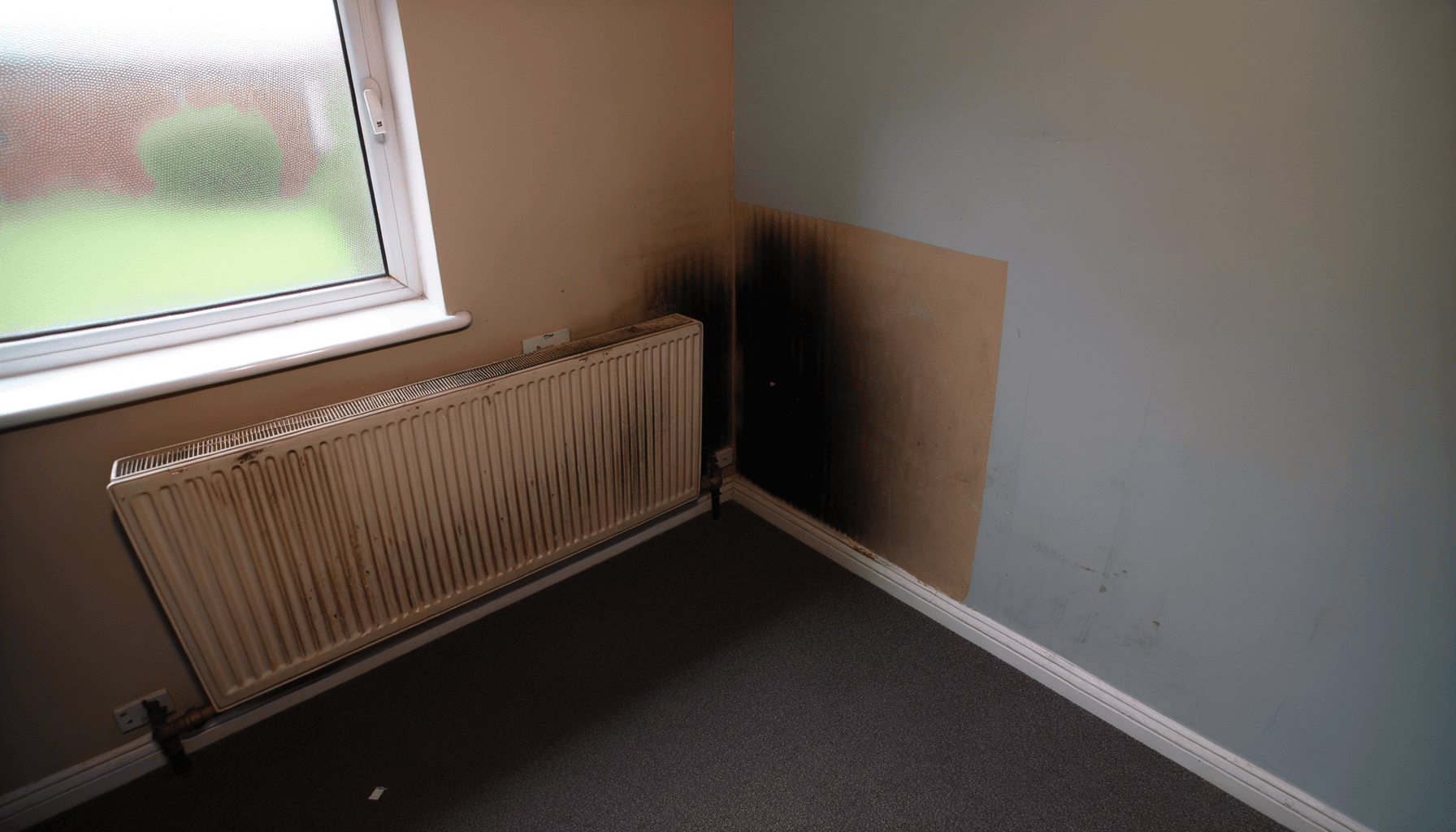
Most homes do not need new radiators when installing a heat pump. In a well-insulated home, existing radiators typically provide enough heat at the lower flow temperatures that heat pumps use (35–45°C). If your insulation is poor or some radiators are undersized for their rooms, you may need to upgrade a few — but rarely all of them. An MCS-certified installer will assess each radiator during their survey.
Most homes
Keep existing radiators
Source: MCS installer data
£1,500–£6,000
Upgrade cost (if needed)
Source: EST 2026
35–45°C
Heat pump flow temperature
Source: MCS guidelines
60–80°C
Gas boiler flow temperature
Source: For comparison
Why Flow Temperature Matters
This is the key concept to understand. A gas boiler pumps water through your radiators at 60–80°C. A heat pump runs most efficiently at much lower temperatures — typically 35–45°C. The heat pump can run at higher temperatures, but its efficiency drops significantly. Running at 55°C instead of 35°C might reduce COP from 3.5 to 2.5, costing you more in electricity.
A radiator's heat output depends on the temperature of the water flowing through it. At 35°C flow temperature, a radiator produces roughly 50–60% of the heat it would at 70°C. So the question is: does your radiator produce enough heat at the lower temperature to keep that room comfortable?
In many homes, the answer is yes. Radiators were often oversized when originally installed — builders and plumbers tend to err on the side of caution. If your radiators are already larger than strictly necessary, they'll work fine at lower flow temperatures.
Key Terms
When You Probably DON'T Need New Radiators
You're unlikely to need radiator upgrades if:
- Your home has good insulation. Double glazing throughout, loft insulation at 270mm+, and cavity wall insulation (if applicable). Well-insulated homes have lower heat demand, so existing radiators can cope at lower temperatures.
- Your radiators are already oversized. This is more common than you might think. If your rooms warm up quickly and you often have the radiator thermostats turned down, your radiators are probably oversized — which is actually ideal for a heat pump.
- You have large radiators. Larger radiators have more surface area and produce more heat even at lower temperatures. Double-panel, double-convector radiators are particularly effective.
- Your rooms are small to medium-sized. Smaller rooms need less heat, making it easier for existing radiators to meet the demand.
- You have some underfloor heating. Underfloor heating works perfectly with heat pumps because it already runs at low temperatures (25–35°C).
When You Might Need Radiator Upgrades
You may need to upgrade some radiators if:
- Your insulation is poor. Single glazing, no loft insulation, or uninsulated solid walls mean high heat loss. The radiators need to work harder, and existing ones may not have enough capacity at lower flow temperatures.
- You have small, single-panel radiators. Small radiators with limited surface area may not produce enough heat at 35–45°C. Upgrading to double-panel radiators roughly doubles the output.
- You have large, draughty rooms. Extensions, conservatories, or rooms with high ceilings and lots of glazing may need larger radiators to maintain comfort.
- Your current system struggles. If your home is already cold with the gas boiler running at full capacity, it will likely need upgrades for a heat pump too.
If radiator upgrades are needed, typical costs are:
Estimated cost: £1,500–£6,000
Important: Even in homes that need upgrades, it's rarely every radiator. A typical job might involve upgrading 3–5 radiators out of 8–12, with the rest staying in place. The cost of upgrading individual radiators is £200–£500 each (supply and fit), depending on size and type.
Ready to take the next step?
Get free, no-obligation quotes from MCS-certified heat pump installers in your area. Takes 2 minutes.
Get free quotes from MCS-certified installersNo obligation. We are not installers. Independent advice.
What Your Installer Will Check
An MCS-certified installer must perform a detailed assessment before installation. Here's what they'll look at for each room:
- Room-by-room heat loss calculation. They measure each room, note the construction type (solid walls, cavity, etc.), glazing, and insulation levels to calculate how much heat each room needs.
- Existing radiator output. They check each radiator's size, type (single/double panel, convector fins), and calculate its heat output at the proposed flow temperature (typically 35–45°C).
- Comparison. They compare the heat demand of each room against the radiator's output at the lower temperature. If the radiator can meet the demand, it stays. If not, they'll recommend an upgrade for that specific radiator.
- Flow temperature optimisation. In some cases, running the heat pump at a slightly higher flow temperature (e.g., 45°C instead of 35°C) means fewer radiator upgrades, with only a modest reduction in efficiency. Your installer will find the best balance for your home.
This assessment is part of the standard installation survey and is a requirement under MCS standards. It should be done before you commit to the installation, so you know the full cost (including any radiator upgrades) upfront.
Alternatives to Replacing Radiators
Before replacing radiators, there are several cheaper options that may solve the problem:
- Improve insulation. Reducing heat loss means your existing radiators don't need to work as hard. Loft insulation top-up (£300–£600) or draught-proofing (£100–£300) can make a significant difference.
- Add radiator fans. Clip-on fans (about £30–£60 each) blow air across the radiator, increasing its effective output by 20–40% without replacing it.
- Add underfloor heating in key rooms. If you're renovating a room anyway, adding underfloor heating is ideal for heat pumps and can supplement existing radiators.
- Run a slightly higher flow temperature. Compromising to 45°C instead of 35°C reduces efficiency slightly but can avoid the need for radiator changes. Your COP might drop from 3.5 to 3.0, which is still far more efficient than any boiler.
What About Underfloor Heating?
Underfloor heating (UFH) is the ideal partner for a heat pump because it runs at low temperatures (25–35°C), maximising the heat pump's efficiency. But it is absolutely not required.
If you're building a new home or doing a major renovation (taking up floors anyway), underfloor heating is worth considering. Retrofitting UFH into an existing home is more disruptive and expensive (£2,000–£8,000 depending on the area), and is rarely justified solely for a heat pump installation.
The vast majority of UK heat pump installations use existing radiators successfully. Don't let the lack of underfloor heating put you off getting a heat pump.
The Bottom Line
The concern about needing new radiators is one of the biggest barriers to heat pump adoption — and it's largely overblown. Most homes keep most or all of their existing radiators. Where upgrades are needed, it's usually a few specific radiators, not the entire system.
The only way to know for certain is to have an MCS-certified installer survey your home. This is free when you're getting a quote, and they'll tell you exactly which radiators (if any) need changing and what the additional cost would be.
Ready to take the next step?
Get free, no-obligation quotes from MCS-certified heat pump installers in your area. Takes 2 minutes.
Get free quotes from MCS-certified installersNo obligation. We are not installers. Independent advice.